

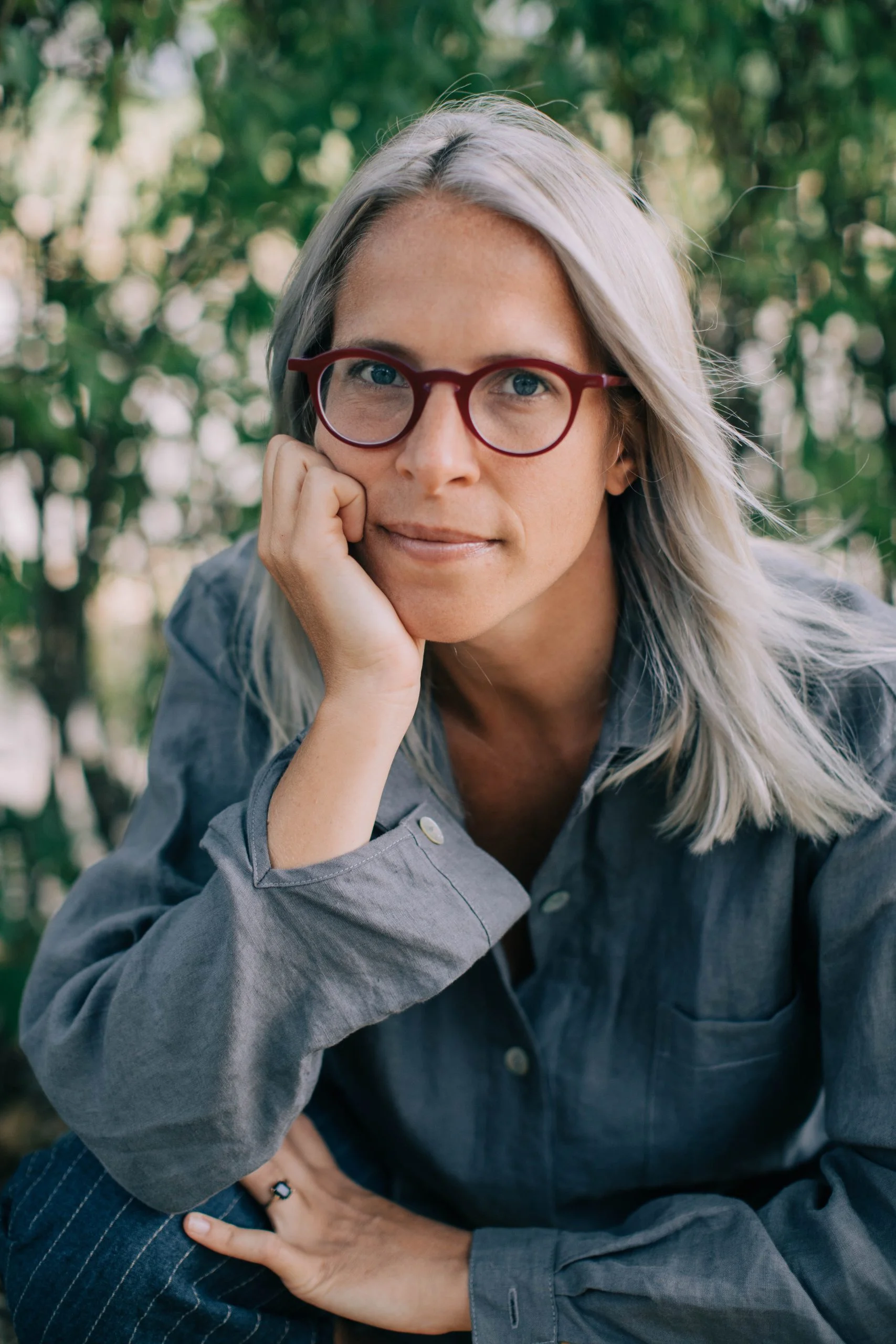
Hi, I’m Laura.
I was put on my first psychiatric drug at fourteen. By twenty-seven, I was on five simultaneously, had accumulated a long list of diagnoses, and had been hospitalized four times. I was disabled and dependent on my family, unable to work or sustain relationships, and I’d spent well over a decade unable to interpret my own experience without clinical authority. I was completely convinced that my inner turmoil was a medical problem requiring ongoing professional management. I didn’t experience any of this as harm. I experienced it as help that would one day, hopefully, fix me.
In 2010, after realizing that it wasn’t “treatment-resistant mental illness” that had caused my life to fall apart, but largely the treatment itself, I came off psychiatric drugs far too fast—without understanding how slowly they actually need to be tapered.
I assumed that getting myself off those meds meant the hard work was over.
I had no idea that it was actually just beginning.
There were the brutal withdrawal symptoms, but even harder, in many ways, was the terrifying, disorienting, and often lonely process of piecing my life back together in the wake of my psychiatrization: making sense of what had actually happened to me, figuring out who I actually was beneath all the labels and pills, learning how to be with my mind and my emotional pain after so many years of running away, and letting go of old, imprisoning stories of self and writing a new narrative of what my life meant.
For years, I bumbled along, mostly on my own, following threads, picking up books, peeling back one onion layer only to find another underneath. Opting myself out of the offerings and ideologies of the mental health industry was just the beginning. I slowly found my way back to my instincts and common sense, getting better each year at following my own lead (I’m still very much in this lifelong process!).
We are in the dark ages, culturally, when it comes to recognizing what Ivan Illich called "the expropriation of health" — the way modern medicine claims authority over more and more of ordinary life, defining what counts as illness, who counts as sick, and what must be done about it, until people lose the very capacity to make sense of their own suffering without clinical authorization.
There are no roadmaps or trusted authorities available when it comes to opting out of one’s psychiatrization (or any other modern enterprise, for that matter), and this is the whole point: this process isn’t about replacing one set of go-to experts for another; it’s about letting go of outsourcing your authority to external institutions and individuals altogether.
What I wished more than anything else during the darkest years I spent disentangling myself from the mental health industry was that there had been somewhere to go — a cozy, welcoming home where helpful resources were already gathered by those who’d come before me, compassionate people who’d been where I’d been awaited me, and the space and time I needed to find my way back was offered to me. We’ve built the Opt-Out Institute to be that place.